Vampirecore Decor: How to Do It Without It Reading as a Costume
The dark aesthetic with a costume shop attached. What vampirecore actually is, the line between it and the Halloween aisle, and the objects that keep it in the room after October.
Vampirecore is the most atmospheric of the dark aesthetics and the one that most easily collapses into a costume. Everything it wants, meaning candlelight, velvet, dark wood, deep red, heavy curtains and an old mirror, is also sold in plastic every September, which means the whole style lives or dies on the difference between an object and a prop. Done with real materials it is simply a rich, low-lit Victorian-adjacent room. Done with seasonal decorations it is a set, and sets come down.
The line between vampirecore and the Halloween aisle
The test is the one this whole site runs on: would the object still make sense in March. A cast iron candelabra passes. A plastic candelabra with moulded drips does not, because the drips are pretending to be the thing real candles do, and the pretence is only convincing for the few weeks a year when everyone has agreed to pretend.
This is a materials question far more than a motif question. Velvet, iron, dark wood, glass and real wax carry the aesthetic permanently. Moulded resin, foam, printed cobweb and anything with a battery in it announce the season instead. The motifs, meaning bats and coffins and skulls, are not the problem, and one or two well-made ones are fine. The material they are made of is the problem.
The other reliable tell is quantity. A vampiric room is a rich room with a couple of pointed objects in it. A room where every object is pointed is a themed room, and themed rooms are the ones people quietly dismantle in November.
Oxblood, not scarlet
Red is the colour everyone reaches for and the one that most often ruins it. Bright scarlet is a costume colour and reads as such immediately. The register the aesthetic actually wants is oxblood, burgundy, wine and dried rose: reds that have gone dark and slightly brown.
It also works best as an accent rather than a field. The room is largely black, charcoal, dark wood and deep neutral, with the red appearing in a throw, a cushion, a bed hanging, or the lining of a curtain. A wall-to-wall red room is a different and much harder look.
Gold and antique brass are the metal, and they should look tarnished rather than polished. Chrome and anything with a mirror finish sit wrong against every other material in the palette.
The bed is the centrepiece
More than any other dark style, vampirecore is organised around the bed, and specifically around a four-poster or canopy frame with fabric hung from it. It is the one purchase that does most of the work, and it is also the one that most often does not fit.
Measure the ceiling before buying anything. Canopy frames are tall, they need real clearance above the top rail for the drapery to hang rather than bunch, and ceiling fans, sloped ceilings and light fittings all complicate it further. Will a canopy bed fit your ceiling works through the clearances.
For the bedding itself, velvet and satin are the two materials that read correctly, in the dark-red-to-black range rather than anything bright. Velvet in particular is worth knowing how to look after before you buy it, since the pile is easy to crush and not always washable, so see how to clean velvet.


Real blackout is the one genuinely functional purchase
The joke about daylight writes itself, and underneath it is the most practical buying decision in this aesthetic. Heavy, properly lined curtains are what make a room feel enclosed and candlelit in the middle of the afternoon, and they are the difference between a dark room and a room that merely contains dark objects.
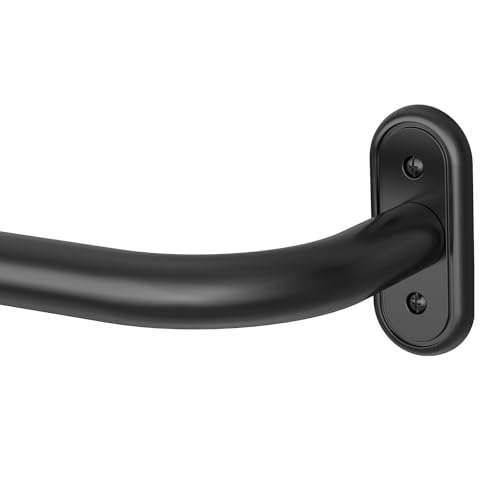
Most curtains sold as blackout are not, quite. The fabric may block light while the gap around the edges leaks it, which is why the mounting matters as much as the panel: wider than the window, higher than the frame, and ideally with a wraparound rod that returns to the wall. Blackout vs room-darkening vs light-filtering explains what the three terms actually mean.
If you already own curtains you like, a separate blackout liner is the cheaper upgrade and preserves the outer fabric you chose for the look.

Candlelight and old mirrors
Real flame is the light source the aesthetic is built around, and nothing else quite substitutes, because what it is really providing is movement. Massed tapers in iron or tarnished brass, at table height, with the corners of the room left unlit.
The safety basics are not optional and matter especially here, because this is a style that puts open flame near heavy hanging fabric by design: never leave a candle burning unattended, keep a wide clearance from drapery and bed hangings, and use a holder rated for the candle. Where flame and fabric would genuinely be too close, flameless tapers are the honest answer for that specific spot rather than a compromise on the whole room.
A large arched or foxed antique mirror is the other defining object, and it earns its place practically as well, because it doubles whatever candlelight you have. Buy one large mirror rather than several small ones.


Where to see it done
Only Lovers Left Alive is the definitive filmed version and the most useful reference by a distance, because it is the rare treatment that imagines the aesthetic as somewhere people actually live rather than as a lair. Layered rugs, cluttered instruments and books, tarnished metal, low pooled lamplight, and interiors in Tangier and Detroit that look accumulated over centuries rather than decorated in a weekend.
Nosferatu, the 1922 silent, is the opposite kind of reference. There is very little to furnish from, but it is the best lesson available in arches, doorways and what a shadow does to a dark room. Watch it for the architecture and the light. It is public domain, so transfers vary a great deal between pressings.
Nothing here is from either film or licensed by them. They are cited as filmed references for the look and nothing more.


The cheapest convincing version
In order: heavy lined curtains mounted wide and high, a velvet throw in a dark red over whatever bed or sofa you already own, an iron candelabra with real tapers, and one large arched mirror. No frame, no wallpaper, no props, and the room will read correctly.
What not to buy first: the four-poster. It is the fantasy and it is also the purchase most likely to arrive and not fit the ceiling. The curtains and the candlelight are what actually produce the effect, and both of them move house with you.
Common questions
What is vampirecore?
A dark decor aesthetic built on candlelight, velvet, dark wood, deep red accents, heavy curtains and antique mirrors. In practice it is close to a Victorian gothic room with a narrower palette and more emphasis on low light and enclosure. The defining constraint is that it uses real materials rather than seasonal props.
How do I keep vampirecore from looking like Halloween decor?
Buy materials, not props. Velvet, iron, dark wood, glass and real wax stay in a room permanently, while moulded resin, foam and anything battery-powered read as seasonal immediately. Keep the pointed motifs to one or two well-made pieces, and ask whether each object would still make sense in March.
What colours is vampirecore?
Mostly black, charcoal, dark wood and deep neutrals, with red used as an accent rather than a field. The red should be oxblood, burgundy or wine rather than bright scarlet, which is the single most common thing that tips the room into costume territory. Metals should be tarnished brass or iron rather than chrome.
Do I need a four-poster bed for vampirecore?
No, and it should not be the first purchase. It is the most photographed part of the aesthetic and the most likely to arrive and not fit, since canopy frames need real clearance above the top rail. Heavy curtains, candlelight and one large mirror produce most of the effect for far less commitment.
What is the difference between vampirecore and Victorian gothic?
Considerable overlap, different emphasis. Victorian gothic is about pattern, ornament and density, and it is a furnished, layered parlour lit by lamplight. Vampirecore is darker, sparer and more atmospheric, organised around low light, enclosure and a narrow black-and-oxblood palette.