Candles & Lighting
Candelabras, tapers, sconces — and how to use them without incident.
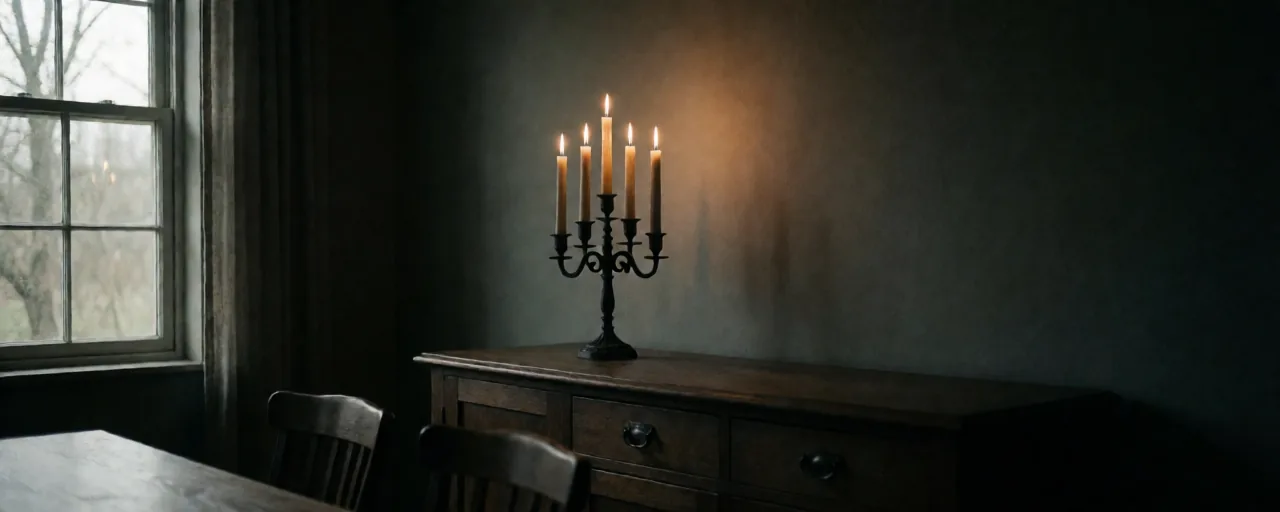
Lighting is the difference between a dark room and a gloomy one. Gothic interiors are built on low, warm, point-source light rather than a single overhead fixture, which means more fittings, lower wattage, and — if you want real flame — some genuine care.
The two things that most often go wrong are mundane rather than aesthetic. The candle does not fit the holder, because taper and chime are different diameters and the listing rarely makes that obvious. Or it drips onto furniture, because dripless is a claim about the wax and the wick together and not every candle sold as a taper makes it.
Before you light anything
Cup size decides which candles fit
A standard taper is meaningfully thicker than a chime or spell candle, and a holder drilled for one will not hold the other steadily. Check the cup diameter against the candle rather than trusting the product photograph, which is usually staged with whichever one fits. Choosing a candelabra covers arm count, height and candle fit together.
Dripless is a specific claim, not a general one
It describes a wax and wick combination that burns down cleanly in still air, and it stops being true in a draught. If the holder sits anywhere near a door or a vent, expect wax on the furniture regardless of the label. Candles for dark interiors covers the wax types and what each one actually does.
This is the one category that is genuinely safety content
Never leave a burning candle unattended, keep a wide clearance from drapery and anything else that can catch, and use a holder rated for the candle you are burning. Dark interiors put open flame near heavy textiles by design, which is exactly the situation the basics exist for. Where flame and fabric would sit too close, a flameless taper in that one spot is the sensible answer rather than a compromise on the whole room.
What to look at

